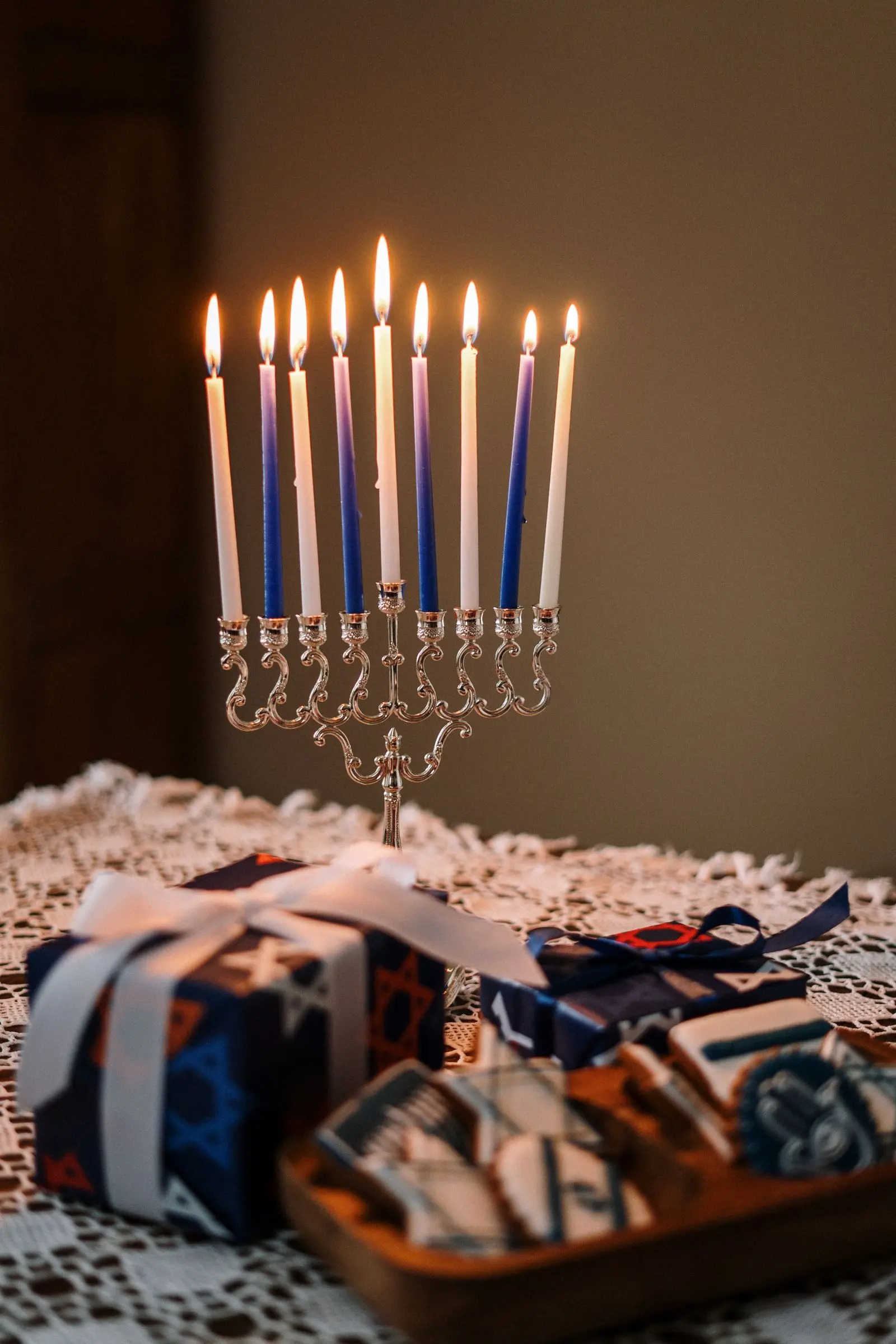
Rosh Hashanah Gifting: Apples, Honey, and a Sweet Year
Apples and honey are the beginning of a Rosh Hashanah gift, not the whole of it. How to send sweetness that arrives with intention.
By Lana Sverdlik · BonVivant Gift Wrapping

Rosh Hashanah is a season of thresholds. Tables lengthen, kitchens run hot for days, and everyone you care about is somewhere between hosting and being hosted. A gift sent into that week should say something simple and mean it: a sweet year, and a little help carrying it.
Why Apples and Honey Still Anchor Everything
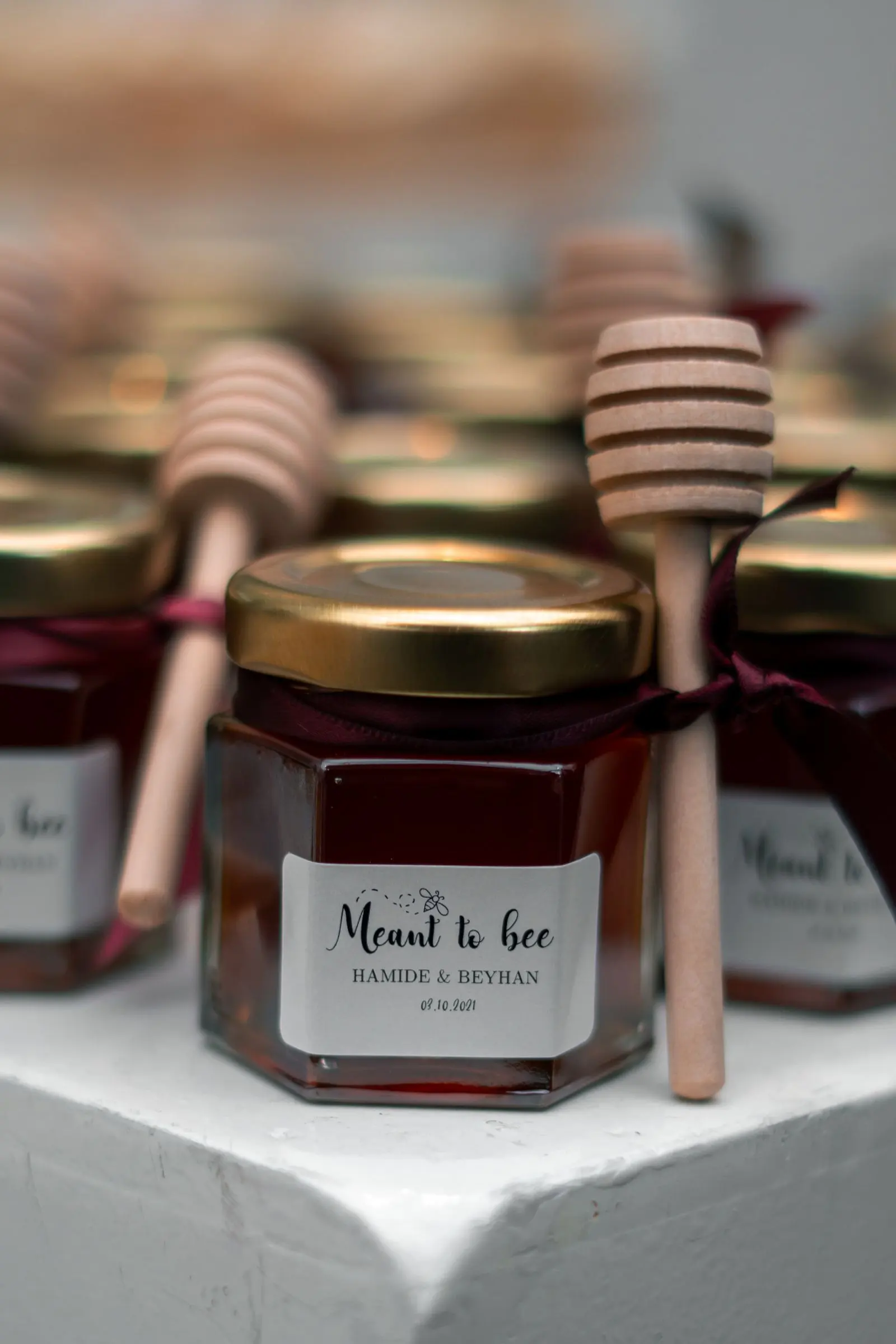
The apple and the honey endure because they are legible. Nobody needs a note explaining them. Dip one in the other and the wish for a sweet new year is stated without a word, which is exactly why the pairing has outlasted every trend in gifting. Our work is not to replace that image but to give it room to breathe. A honey in a heavy glass jar with a wooden dipper, a few orchard apples chosen for color rather than size, and suddenly the oldest gesture in the room looks new again.
From there the basket can open outward. Dried apple slices, apple preserves, honey cake, honeyed nuts, a floral honey beside a darker buckwheat one so the household can taste the difference. We like pairings that invite a conversation at the table, because a Rosh Hashanah gift is almost never opened alone. It is opened in a room full of people, which means it should be generous enough to share and interesting enough to be worth passing around.
The Host Gift: Arriving Well at a Full Table
If you are a guest, remember that your host has been cooking since Sunday. The kindest host gift asks nothing of them in the moment: no vase to find, no plate to produce, no refrigerator space to clear on a night when the refrigerator is already a feat of engineering. Something shelf-stable, beautiful, and easily set aside is worth more than something spectacular that demands immediate attention. We build host gifts to be received with one hand while the other holds a serving spoon.
That said, presence still matters. A small, dense, exquisitely finished gift reads as more considered than a large one assembled in a hurry. A pair of honeys, a tin of confections, a beeswax candle, a linen napkin set, wrapped in paper that suits the household rather than the season’s advertising. If the family keeps kosher, we compose from products carrying recognized kosher certification and follow any hechsher preference the client names. Say so on the card, and the host can place it on the table without a second thought.
Clients and Colleagues: The New Year as a Business Courtesy
Rosh Hashanah gifting in business is a quieter art than December gifting, and in many ways a more rewarding one. The message is personal without being intimate: we noticed your year, we wish you a good one. That lands best when the gift avoids anything that looks like inventory. Uniform boxes with a logo stamped across the lid communicate procurement. A composed basket with a handwritten card communicates a person, which is the entire point of sending anything at all.
Practically, corporate Rosh Hashanah gifts need to work in an office as well as a home. Choose items that can be shared at a desk or carried home on a train without drama. Keep the composition pareve when you do not know the recipient’s kitchen, and keep the packaging sealed and legible. We deliver across Nassau County, Long Island, and New York City, and we arrange larger runs so that everything arrives in the same window rather than trickling in over a week.
“A Rosh Hashanah gift is almost never opened alone, so build it generous enough to pass around the table.”
Families, Grandparents, and the Gift That Feeds a Crowd
For family, scale changes the design. A gift going to a house that will seat eighteen people over two nights should behave like a contribution rather than an ornament. We build those baskets around breakfast the morning after, which is the meal nobody plans: good coffee, a tea selection, honey, preserves, a sturdy cake, fruit that will still look beautiful on day three. The gift becomes useful precisely when the household has run out of energy to be useful to itself.
Grandparents are their own category. They rarely want more objects and almost always want more of the family, so we build toward things that get used in company: a fruit basket handsome enough for the center of a table, confections to offer visitors, a candle for the sideboard. If there are grandchildren in the house, a few small wrapped things for them turns the gift into an event. The best compliment a family gift can receive is that it was finished before anyone went home.
Color, Paper, and the Look of a New Year
The Rosh Hashanah palette almost writes itself if you look at the food. Honey gold, apple red, pomegranate, the deep brown of date and fig, the warm cream of raw linen. We avoid the hard metallics that belong to other holidays and stay in a register that feels like early autumn light on the North Shore. Paper is heavy and matte. Ribbon is wide, double-faced, and tied once, well, rather than three times nervously.
Finishing is where a gift stops looking bought. A wax seal, a sprig of something seasonal tucked under the ribbon, a card in real ink. We write the card in the sender’s own words whenever they give them to us, because the difference between a warm gift and a correct one usually comes down to a single sentence. Sweetness is the theme of the holiday. The wrapping should feel like it agrees.
A Rosh Hashanah Sending List
- 01Lead with honey and apples, then build outward
- 02Choose shelf-stable items for busy host kitchens
- 03Keep client gifts pareve when the kitchen is unknown
- 04Design family baskets around the morning after
- 05Stay in a warm autumn palette, not hard metallics
- 06Book delivery early in the week, not Friday afternoon
Questions we hear
Something the host can accept with one hand and set down immediately. Shelf-stable, beautifully finished, and small enough not to crowd a counter. A pair of honeys, confections, a candle, a linen detail. Avoid anything that needs a vase, a plate, or refrigerator space on a night when the kitchen is already working at capacity.