How to Choose a Wedding Gift That Is Actually Remembered
The registry is a starting point, not a strategy. A look at how we help clients choose wedding gifts that stay in a couple’s life long after the last thank-you note.
By Lana Sverdlik · BonVivant Gift Wrapping
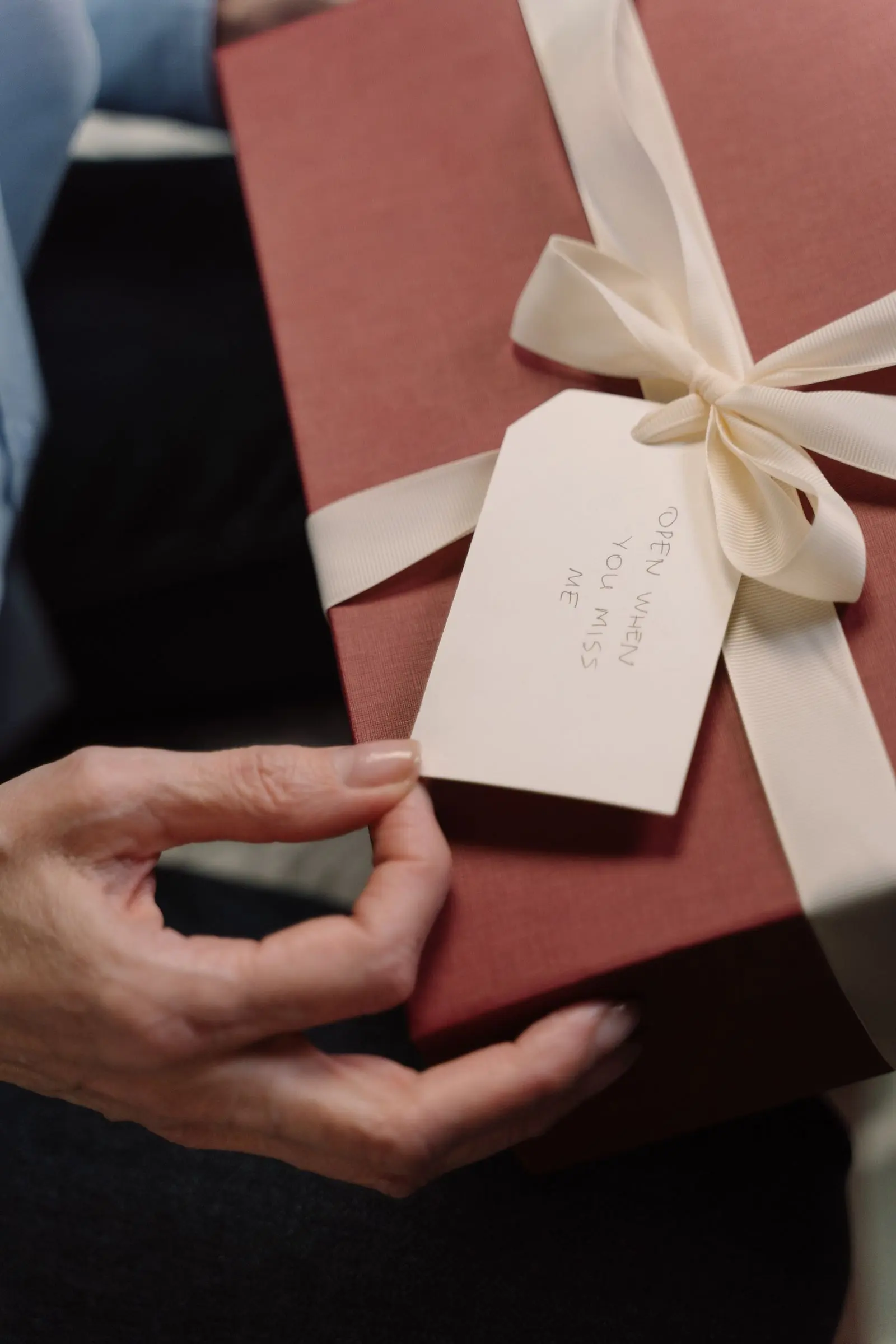
Every wedding produces a table of gifts, and every couple remembers three of them. The difference is almost never the price. It is the evidence of attention — the sense that someone thought about this particular marriage rather than weddings in general.
Start With the Couple, Not the Registry
The registry exists for a reason, and there is no shame in using it. A couple who took the time to choose a pattern of everyday plates is telling you exactly what their mornings will look like for the next ten years. But the gifts people still describe a decade later are rarely the ones with a scan code attached. They are the ones that suggest the giver was paying attention — to how the couple travels, what they cook on a Sunday, the apartment they are leaving or the house they are about to fill. Begin there, then check the registry to confirm you are not duplicating a need.
When clients come to our Great Neck studio unsure where to begin, we ask three questions. What do these two people do when they have a free Saturday. What does their kitchen or entryway look like. And what has changed recently — a move, a first home, a new city. The answers narrow the field quickly. A couple who host constantly wants serving pieces and a reason to open the table. A couple who travel want something that packs. A couple who just closed on a first house want the objects that make a house feel claimed.
The Case for One Beautiful Object
There is a quiet confidence in giving one thing well. A single object, correctly chosen and correctly presented, reads as a decision rather than an accumulation. It also survives the edit that every couple performs in the first year of marriage, when the duplicates and the well-meant novelties are quietly rehomed. Think of a serving piece with real weight, a pair of candlesticks that will appear at every holiday table, a decanter-style carafe for water and for champagne-style non-alcoholic sparkling beverages, or a frame waiting for the photograph they have not taken yet.
The trap is scale. A very large object can overwhelm a small first apartment, and a very small one can read as an accessory rather than a gift. We tend to steer clients toward pieces that are substantial in the hand but modest on a shelf — the thing a couple reaches for rather than stores. If you are uncertain, choose the version that is plainer and better made over the version that is more decorative and less durable. Ornament dates. Proportion does not. A well-made object earns its place on a shelf year after year.

When a Composed Gift Says More Than a Single Item
For some couples, a single object is the wrong instrument. A composed gift — a basket, a box, a tray built as one idea — can tell a longer story. We have built gifts around a couple’s first anniversary trip, around the cuisine one partner grew up with, around a shared obsession with coffee that involved beans, a grinder-adjacent accessory, two heavy cups, and nothing else. The discipline is editorial. Every element should be there because it belongs to the story, not because the vessel had room left in it.
Composed gifts also solve a specific etiquette problem. When several friends want to give together, a single grand object often means one person choosing and everyone else signing. A composed gift lets the group contribute to something layered — a hosting set, a breakfast-in-bed idea, a small library of pantry luxuries with recognized kosher certification if the couple keeps a kosher home. Clients may request specific hechsher preferences and we compose accordingly. The result feels generous without becoming a committee decision that pleases nobody in particular.
“The gifts a couple still describes a decade later are the ones that prove somebody was paying attention.”
Timing, Delivery, and the Gift Table
Etiquette gives you room, and most people use less of it than they should. Sending a gift before the wedding is a kindness to the couple, who will otherwise be transporting a table of boxes at the end of the longest night of their year. It is also a kindness to the gift itself, which arrives in a calm house rather than the trunk of a car. If you are attending, a card at the reception and the gift delivered to the home is entirely correct and increasingly the norm among our clients.
We deliver locally across Nassau County, Long Island, and New York City, and we arrange farther delivery when a wedding pulls a family out of the area. What matters more than the route is the handoff. Tell us where the gift should land and who will be there to receive it. A composed gift with fresh florals wants a person on the other end, not a lobby. If the couple are traveling directly after the wedding, we will hold and time the delivery for the week they return.
Presentation Is Part of the Gift
A gift table is a comparison, whether anyone admits it or not. Forty boxes sit together, and the eye sorts them before anyone reads a card. This is not vanity. Presentation is the first sentence of the gift, and it communicates how much thought preceded it. Paper that holds a crisp edge, a ribbon with enough body to keep its shape through a long evening, a card that is written rather than printed — these are inexpensive signals of care, and they are the ones guests notice while the couple are still dancing.
Lana’s rule is simple: the ribbon is the last thing you touch and the first thing they see. In practice that means we build outward from the object, choosing paper for the weight it gives rather than the pattern it carries, then finishing with a ribbon that does structural work rather than decorative work. For weddings we favor restraint — one color story, one texture contrast, no competing elements. The couple should be able to hand the photograph of the gift table to a designer and have it look intentional.
Before you choose a wedding gift
- 01Check the registry for needs, not for inspiration
- 02Name one specific thing you know about this couple
- 03Choose proportion over ornament
- 04Confirm the delivery address and who will receive it
- 05Write the card by hand, before the week of the wedding
- 06Ask about kosher certification if the couple keep a kosher home
Questions we hear
Entirely. A registry tells you what a couple believes they need, which is useful information and rarely the whole picture. The safest approach is to scan the registry to avoid duplicating a genuine need, then give something that reflects a real relationship with the couple. If you are close to them, your judgment is better than a list.