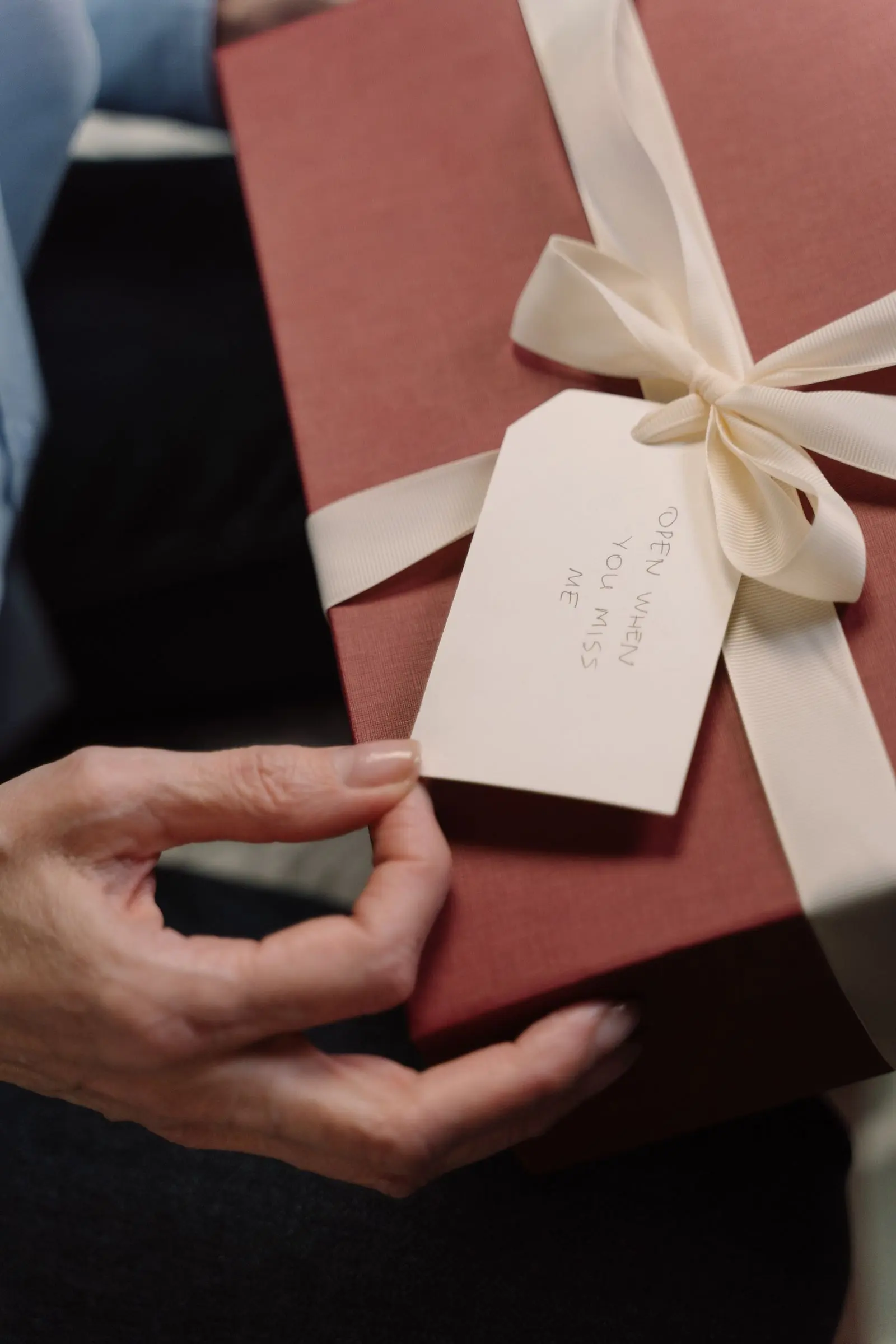
Flowers as the Gift, Not the Garnish on the Box
A stem tucked under a ribbon is decoration. A considered arrangement is the gift. Inside our floral work with BonVivant Florists.
By Lana Sverdlik · BonVivant Gift Wrapping
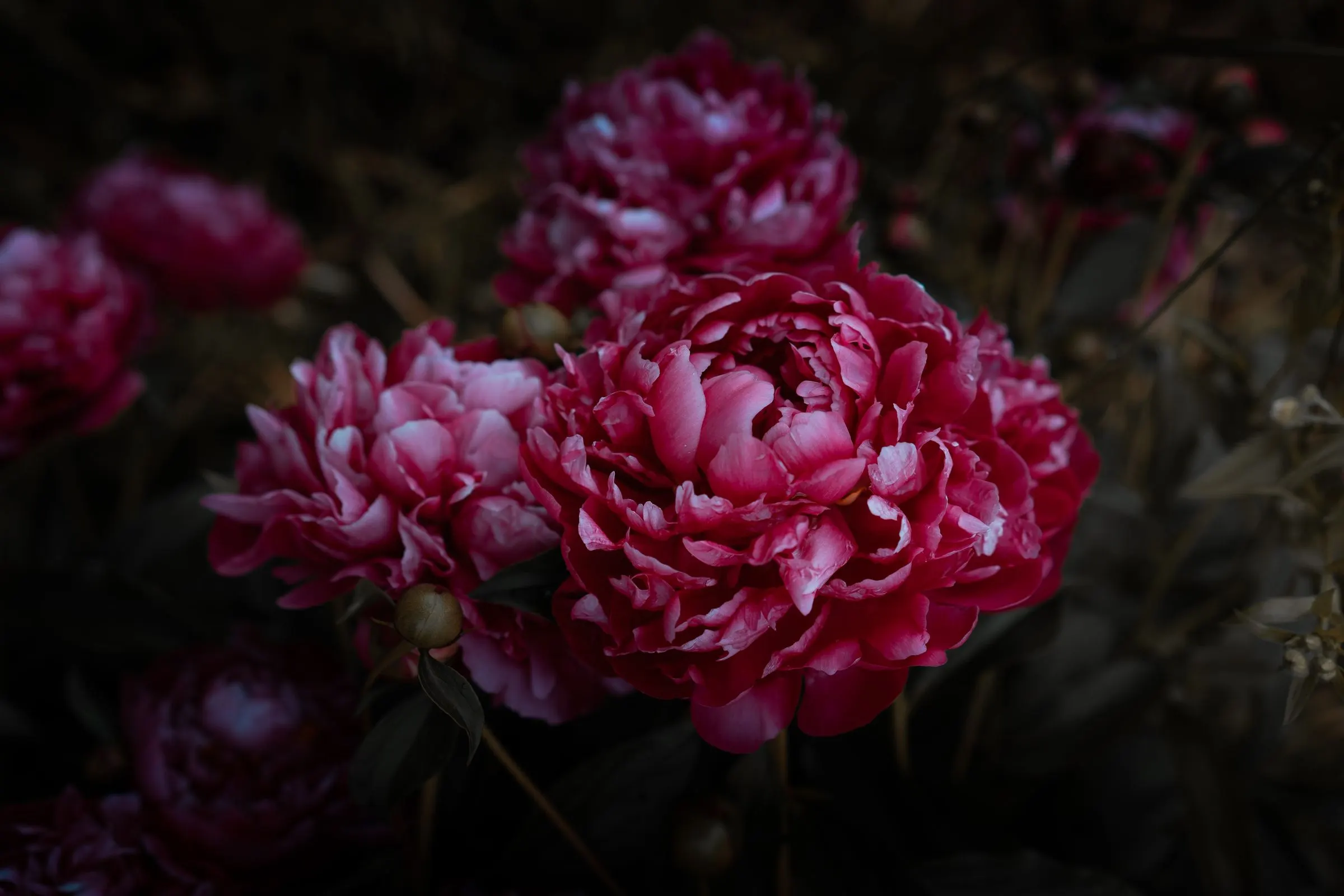
Flowers spend most of their professional life as a garnish, tucked under a ribbon to make a box look finished. That is a waste of the most expressive material we work with. Given the lead role, an arrangement carries more feeling than almost anything else we can send.
Working Across the Hall with BonVivant Florists
Our sister studio, BonVivant Florists, means that floral design is not something we outsource and hope for. It is a conversation that happens while a gift is still being sketched. That proximity changes the work. The palette of a wrapped box and the palette of the arrangement beside it are decided together rather than reconciled afterward, and the ribbon is chosen against the actual stems rather than against a photograph of something similar.
It also lets us make honest decisions about what is available. Flowers are agricultural, and any florist who promises a specific bloom in any week of the year is either overstating or overpaying. We work from what is genuinely beautiful that week and design around it. Clients who tell us the feeling they want rather than the exact variety they saw somewhere consistently receive better arrangements, because we can follow the market to the best material rather than around it.
Seasonality on Long Island, Honestly Described
The year has a shape here, and leaning into it produces better work than fighting it. Spring brings the material everyone wants photographed: peony, ranunculus, garden rose, lilac, blossoming branches that give an arrangement architecture. Summer is looser and hotter, so we build with hardier stems and design for shorter vase life, because a July arrangement in a warm apartment is living a different life than an April one on a cool console table.
Autumn is our favorite season to design into, with dahlias, deeper garden roses, seeded eucalyptus, berry, and a color range that flatters a dining room in low light. Winter narrows the palette and rewards restraint: amaryllis, anemone, tulip, evergreen, white on white with texture doing the work. We tell clients what a season can honestly deliver rather than promising a look from a spring editorial in the middle of January.
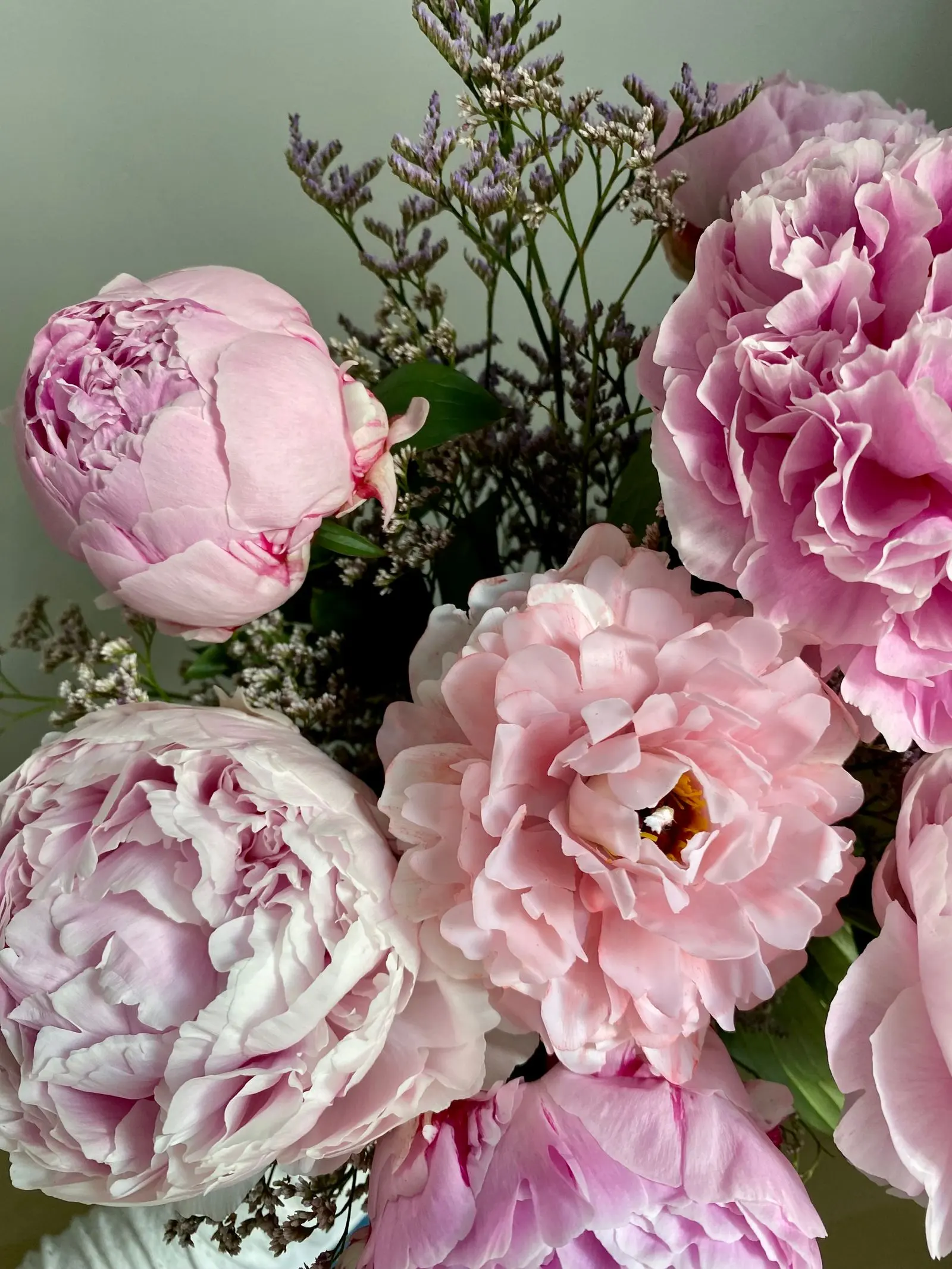
Palette: Choosing Color for the Room, Not the Camera
Most people choose flowers by favorite color and are then mildly disappointed. The better question is where the arrangement will live. A saturated jewel palette that looks magnificent in a photograph can fight a soft gray living room every hour of the day. A tonal arrangement in creams, blush, and bone will make almost any interior look considered, which is why it remains our most requested register for gifting. Ask where the arrangement will sit before you ask what it should contain.
When a client wants color, we build it with one dominant hue and a narrow supporting range rather than a fair sampling of everything. Depth comes from varying the tone rather than adding new colors: three values of the same coral, the palest blush pushed to a deep garnet. For sympathy work we stay in whites, greens, and soft neutrals, kept low and quiet. For celebration we let a single strong color carry the whole arrangement, which always looks more deliberate than a bouquet trying to please everyone.
“Send the arrangement already in its vessel. The recipient should do nothing but decide where to put it.”
The Vessel, and What Happens After the Flowers Go
The container is half the gift and is treated as an afterthought almost everywhere. A wrapped bouquet handed to a recipient at a door is a small emergency: they must find a vase, trim stems, and manage water while guests are arriving. We prefer to send arrangements already in their vessel, conditioned and finished, so the recipient does nothing but decide where to put it. That single choice raises the perceived value of the gift more than any upgrade in stems.
We choose vessels that deserve to stay in the house. Heavy pressed glass, a footed ceramic compote, a lacquered box with a liner, a hat box for something more theatrical. When the flowers are finished, the container remains, and it keeps referring back to the sender. For gifts that combine a wrapped item with florals, we scale the vessel so the two objects look composed together rather than like two deliveries that arrived at the same time.
Care, and the Second Week of an Arrangement
The difference between an arrangement that lasts a few days and one that lasts well beyond that is almost entirely mechanical. Cool water changed regularly, a fresh cut on the stems, distance from direct sun and from the fruit bowl, and nothing left sitting in a warm draft. We send care instructions with every arrangement, written in plain language on good stock, because an instruction card that looks like packaging waste gets thrown away with the wrapping.
We also design with the second week in mind. An arrangement built so the longest-lasting material forms its structure can be edited down gracefully as the delicate blooms fade, leaving something smaller and still handsome rather than something obviously dying. We deliver florals across Nassau County, Long Island, and New York City, and we arrange farther destinations individually, because flowers are one gift that genuinely benefits from being carried by hand.
Commissioning Flowers as the Gift
- 01Describe the feeling, not one specific variety
- 02Let the season choose the best available material
- 03Choose the palette for the room it will live in
- 04Build depth with tone, not with more colors
- 05Send it arranged in a vessel worth keeping
- 06Include care instructions on good stock
Questions we hear
That is how we prefer to design them. Working with our sister studio BonVivant Florists, we build arrangements as the primary gift, finished in a vessel, conditioned, and delivered ready to set down. When a wrapped item is included, we scale and color the two elements together so they read as one composition rather than two separate deliveries.